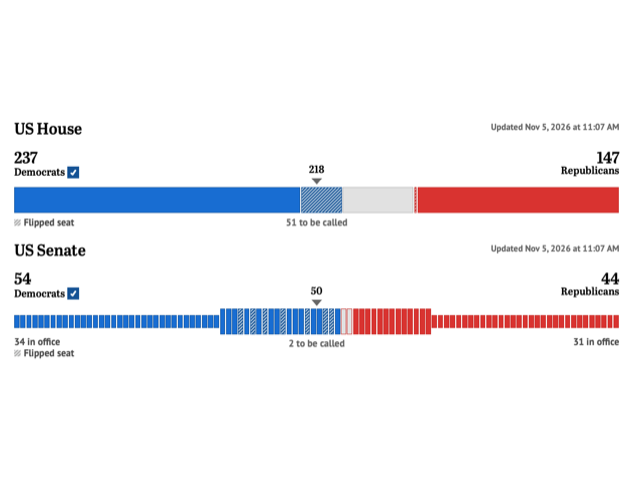
Despite the picture, this isn’t a post about American politics.
It’s actually about the picture itself, where it was shown, and why it matters. It’s about developing leadership and creating cultures.
The image was on today’s front page of The Age website, one of Australia’s major newspapers. From a 4000 foot view, I was struck by the decision to give such prominent space to the incomplete results of another country’s midterm elections. Not because it’s a world first or has questionable public interest, but because it triggered in me a decades-long observation that many others have pointed to:
The influence of American-produced mass and popular media in Australia, where a significant proportion of what we watch, listen to and read originates from another country’s environment.
I’m curious: how does this compare with your country? What’s the composition of the media you’re presented with? How much originates from your own country versus elsewhere?
Growing up as a super keen young baseballer, I was particularly attuned to Major League Baseball and the national culture surrounding it. I’ve probably had a heightened radar for American media ever since.
But there’s a broader point here, beyond media sources.
Over time, exposure to a steady stream of media doesn’t just shape our perceptions, expectations and attitudes. It can also reshape the very lens we use to interpret the world. We can also forget this built lens is there. We can naturally take our view as neutral, objective reality, rather than a perspective shaped by the experiences and influences we’ve absorbed.
And this is huge in leadership and culture.
If we don’t recognise the lens we’re seeing a situation through, particularly when challenging or rapidly changing conditions demand leadership, we can mistake our perspective for the only reality available to us. We may not recognise the influences and experiences that have shaped that perspective.
This limits the options we can see, our assessment of the potential of the people we lead and work alongside, and our behavioural flexibility to be more situationally effective – all essential for building the leadership and cultures we actually want.
In high-quality coaching, one of the most valuable things is surfacing the often invisible assumptions, biases, experiences and long-established patterns that shape how we see situations and make decisions. Of course this is valuable to all humans, but for people in significant leadership and high-performance roles, the return can be substantial, sometimes critical. When the quality of your judgement, decisions and influence affects other people and organisational outcomes, making decisions that genuinely reflect your values becomes crucial.
This is an important part of the coaching work I do with leaders and high performers. If you’d like to explore what that might look like in your context, I’d be happy to have a conversation.